As 2026 approaches, the IT industry keeps moving quickly, and the most useful trends will be the ones that improve security, efficiency, communication, and decision-making.
Companies that embrace these emerging technologies will stay competitive and lead the charge into a future defined by smooth integration and efficiency. Here's a practical look at the technologies reshaping the IT landscape and how they can work for your business.
The Growth of AI and Machine Learning
AI and machine learning are becoming practical tools for everyday business operations. They can help analyze customer behavior, summarize support requests, flag security risks, automate repetitive tasks, and surface trends that are easy to miss in spreadsheets.
For small and midsize businesses, the question is no longer whether AI exists. The better question is where it can reduce friction without creating new risk. Useful AI adoption starts with clean data, clear access controls, and human review for important decisions.
- Streamline routine operations
- Personalize customer experiences
- Reduce manual data entry and reporting errors
- Support faster decision-making
Quantum Computing
Quantum computing uses principles of quantum mechanics to process information in ways that classical computers cannot. This gives it long-term potential for complex simulations, cryptography, optimization, and scientific research.
For most businesses, quantum computing in 2026 will remain something to monitor rather than deploy immediately. Forward-thinking companies should watch the security implications, especially around encryption, and stay aware of industry-specific use cases as the technology matures.
Edge Computing and IoT
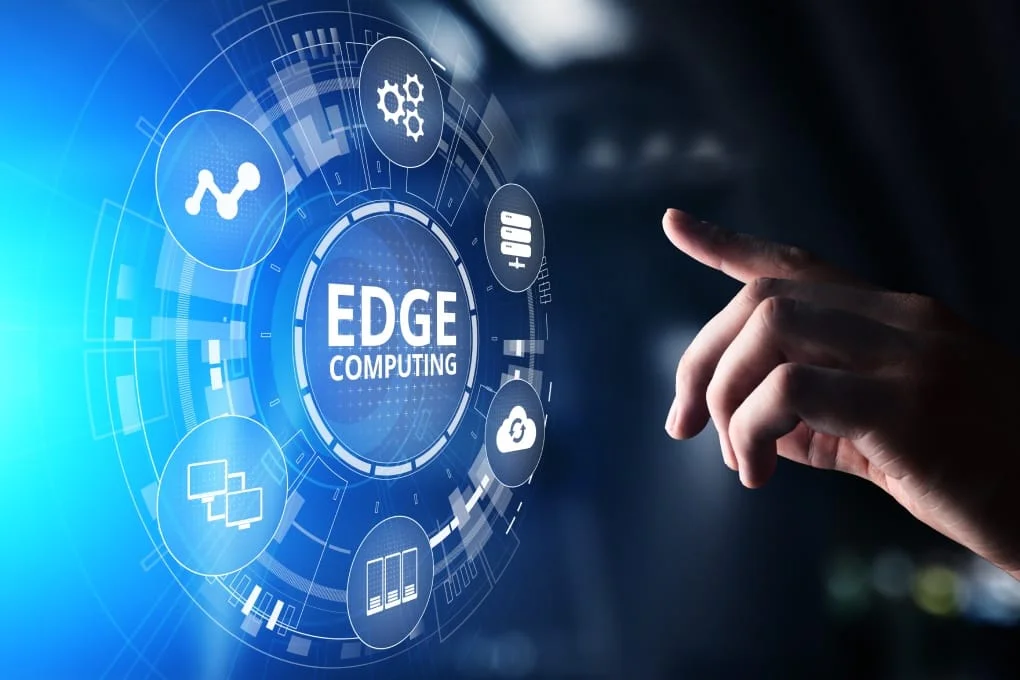
Edge computing processes data closer to where it is created instead of sending every task back to a central data center. This is closely connected to the Internet of Things (IoT), where cameras, sensors, phones, machines, and other devices send data across the network.
By processing data closer to its source, edge computing can reduce latency, conserve bandwidth, and improve response times. This matters for logistics, healthcare, retail, manufacturing, security cameras, and any organization that needs fast local decisions from connected devices.
5G and Better Connectivity
5G and modern wireless networks support faster mobile connections, lower latency, and more reliable access for connected devices. These improvements matter for field teams, remote work, telemedicine, delivery operations, customer communication, and business continuity.
The improved connectivity that 5G provides can also help companies optimize operations and provide richer customer experiences, while supporting AR, VR, cloud apps, security systems, and business phone systems.
Cybersecurity Innovations

Cybersecurity encompasses the practices and technologies used to protect systems, networks, and data from cyber threats. As technology evolves, so do the tactics of cybercriminals, forcing businesses to adopt increasingly practical cybersecurity solutions.
In 2026, expect cybersecurity to focus on proactive threat detection, stronger identity controls, better endpoint protection, employee training, and AI-assisted analysis that helps identify risk before it escalates. Businesses should pair these tools with zero-trust thinking, tested backups, and clear incident response plans.
Sustainable IT Practices
Sustainable IT refers to the environmentally responsible use of technology, aiming to reduce the carbon footprint and environmental impact of IT systems. This includes energy-efficient devices, responsible hardware refresh cycles, proper recycling, and smarter cloud and data storage decisions.
In 2026, sustainable IT will also be a business efficiency issue. Companies that manage devices, licenses, and infrastructure carefully can reduce waste, avoid duplicate spending, and make better long-term technology plans.
The Rise of Extended Reality (XR)
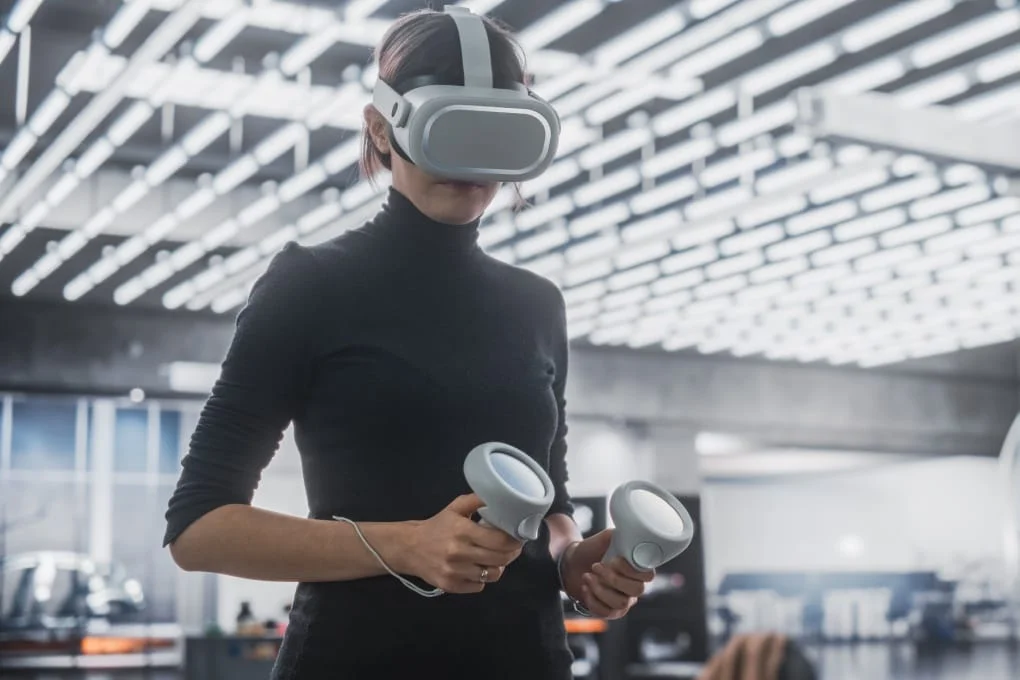
Extended Reality (XR) is an umbrella term for Virtual Reality (VR), Augmented Reality (AR), and Mixed Reality (MR). These technologies merge physical and digital experiences in ways that can support training, visualization, design, and customer engagement.
In 2026, XR can support fields such as education, healthcare, retail, real estate, and manufacturing by giving businesses practical tools for training, demonstrations, virtual simulations, and augmented workflows.
Embrace Tech Trends and Prepare for the Future
To thrive in this rapidly evolving landscape, businesses should:
Stay Informed About Technological Advancements
Keep abreast of industry trends and innovations so you can spot useful opportunities early.
Develop a Clear Strategy for Integrating New Technologies
Adopt new technology only when it supports a clear business goal, security requirement, or operational improvement.
Foster a Culture of Innovation and Continuous Learning
Encourage employees to learn, test new tools carefully, and bring practical improvement ideas back to the business.
The future of IT is full of opportunities for companies that are willing to plan carefully and act intentionally. By focusing on the technologies that solve real problems, your business can tackle the challenges and seize the opportunities of 2026 and beyond.
At Spot On Tech, we're dedicated to simplifying your success in this dynamic technology environment. Let us be your partner in navigating the future of IT with technology solutions and industry expertise. Together, we can make the complex simple.