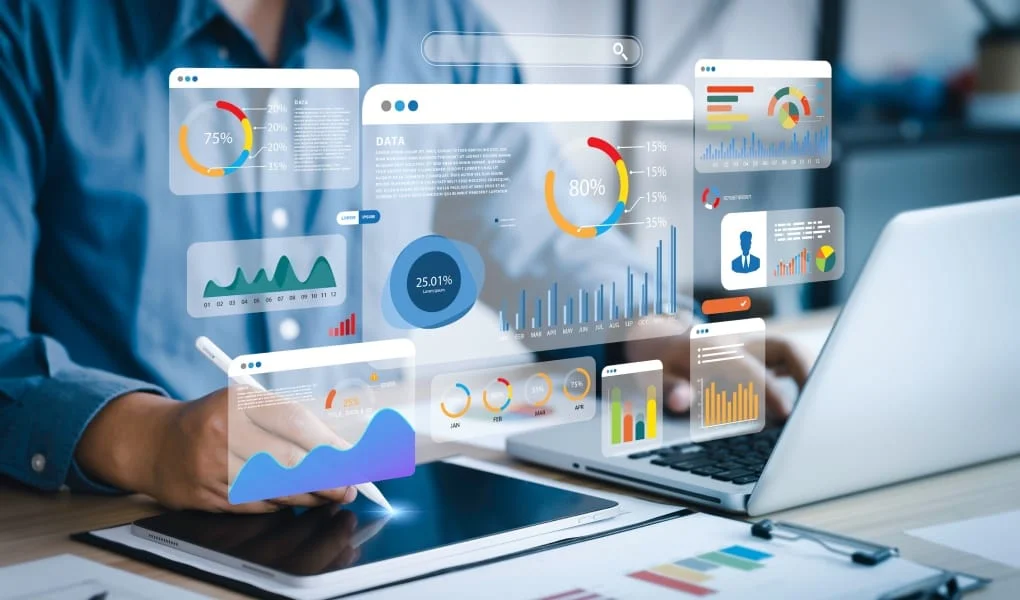
Business data analytics has become crucial for companies seeking a competitive edge. It involves analyzing raw data to uncover patterns and insights that can improve business efficiency and drive growth. As organizations increasingly recognize the power of data-driven decision-making, the importance of analytics in strategic planning and operational optimization has skyrocketed.
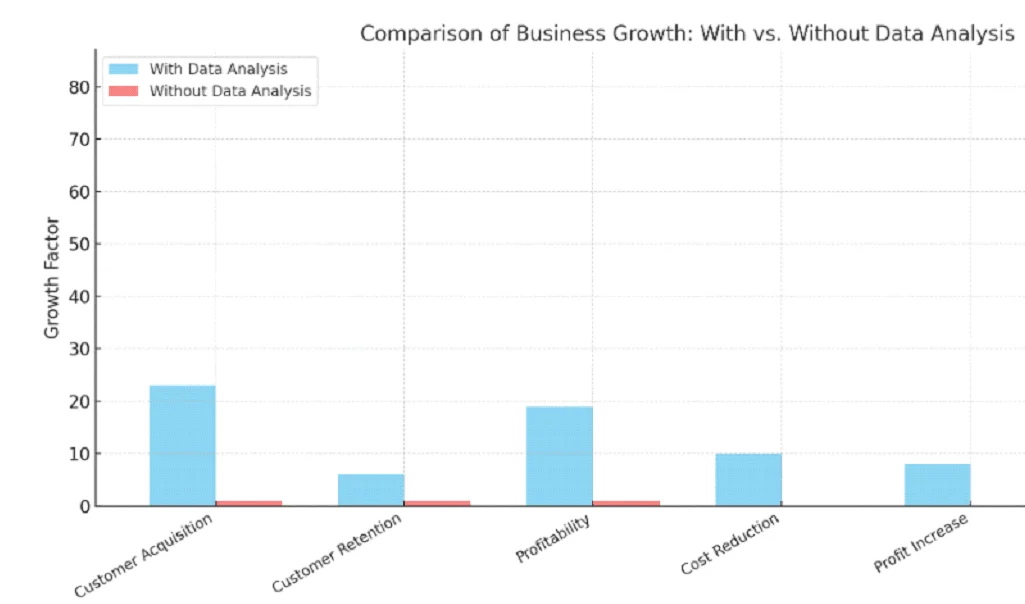
This growing significance is reflected in the bar chart, which compares business growth with and without data analysis across various areas such as customer acquisition, retention, profitability, cost reduction, profit increase, and competitive edge.
The stark contrast highlights the significant advantage businesses gain by leveraging data analysis and the remarkable market growth projections. Even more impressive, the global big data and business analytics market is estimated to reach a staggering $924.39 billion by 2032, growing at a 13% CAGR from its 2023 valuation of $307.51 billion.
The impact of data analytics on business reporting performance is undeniable. Companies leveraging data analytics benefit from various industries' real-time forecasting, risk mitigation, and process optimization. Research consistently shows that data-driven companies are more productive and profitable than their counterparts who don't utilize analytics.
As businesses plan for 2026, incorporating data analytics is no longer a nice-to-have. It is a practical way to understand what is working, where money is leaking, and which decisions deserve attention first.
The Distinction: Business Analytics vs Data Analytics

As businesses increasingly rely on data-driven insights, it's crucial to understand the distinction between two closely related fields: business analytics and data analytics. While both disciplines involve analyzing data to inform decision-making, they differ significantly in their focus, objectives, and methodologies.
Business Analytics is primarily concerned with
- future-oriented strategy and
- long-term planning.
- It uses data to forecast trends impacting company performance and inform strategic decisions.
For example, a Business Analyst might analyze past sales data, customer feedback, and market trends to predict future product demand, helping to optimize inventory levels and identify new market opportunities.
Data Analytics has a broader scope and is more immediate in its focus. It involves:
- Processes such as data cleansing, transformation, and visualization.
- Uncovering patterns and trends in data for various fields and functions.
A Data Analyst might analyze current customer data to identify immediate trends in purchasing behavior, enabling quick adjustments to marketing strategies or product offerings.
The methodologies employed in each field reflect these different objectives. Business Reporting Analytics often utilizes predictive modeling and statistical analysis to forecast future trends, while Data Analytics may focus more on current data analysis and visualization techniques. This distinction impacts how businesses approach strategy and operations.
Business Analytics informs long-term strategic planning and decision-making at higher organizational levels. Data Analytics provides immediate insights that can drive day-to-day operational improvements and quick tactical adjustments.
Understanding these differences is crucial for businesses seeking to use data effectively. By recognizing the unique contributions of both Business Analytics and Data Analytics, companies can develop comprehensive data strategies that drive long-term growth and short-term operational efficiency.
10 Ways Data Analytics Will Transform Businesses in 2026

For 2026 planning, the most valuable analytics work is the work that connects directly to operations, customers, risk, and profitability. Building on our understanding of business and data analytics, let's explore ten ways these practices can reshape the business landscape.
1. Enhanced Decision-Making
Data analytics will continue revolutionizing decision-making processes, enabling businesses to make more informed and agile choices. Modern analytics tools can provide near real-time insights, allowing companies to respond quickly to market changes, customer behavior, and operational issues before they become expensive problems.
2. Operational Efficiency
Predictive analytics and automation will streamline business reporting processes, significantly boosting operational efficiency. By analyzing patterns in historical data, companies can anticipate bottlenecks, optimize resource allocation, and reduce downtime. For instance, manufacturers can use predictive maintenance to prevent equipment failures, minimizing costly interruptions in production.
3. Customer Insights
Understanding and anticipating customer needs continues to become more precise as companies connect sales, support, marketing, and service data. Advanced analytics can help businesses create more personalized experiences, identify churn risks, and understand which customer relationships deserve proactive attention.
4. Risk Management
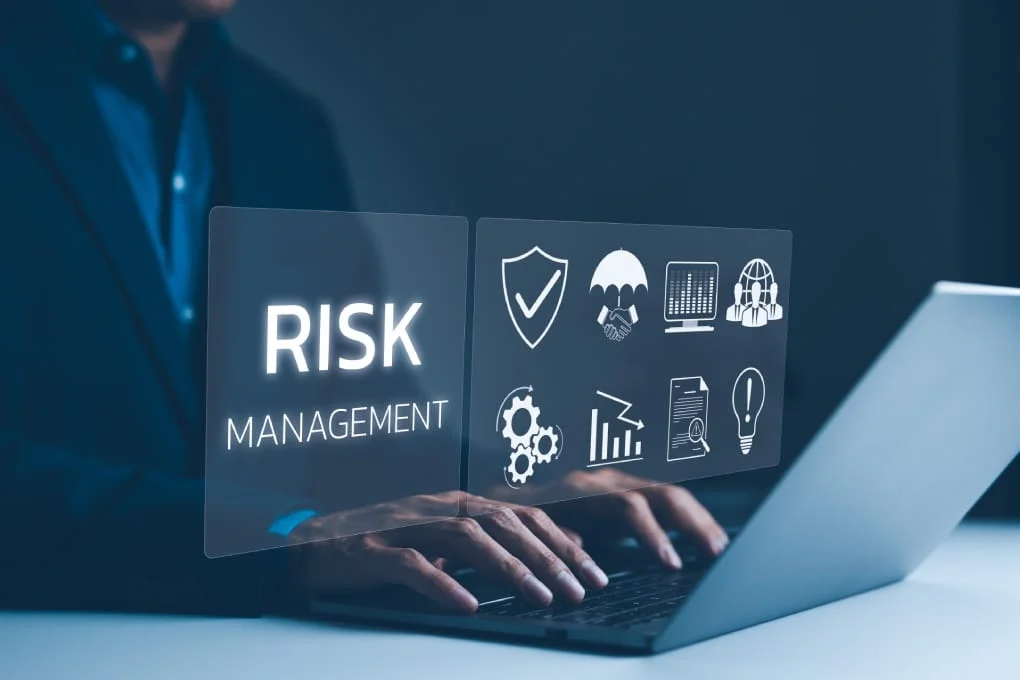
Data analytics will play a crucial role in identifying and mitigating potential risks. Businesses can detect early warning signs of market shifts, regulatory changes, or operational issues by analyzing vast amounts of data from various sources. This proactive approach to risk management will help companies safeguard their operations and maintain stability in an increasingly volatile business environment.
5. Innovation and Product Development
In 2026, data insights should sit at the heart of innovation and product development strategies. Analytics can help companies identify emerging trends, unmet customer needs, and potential market gaps. This data-driven approach to innovation can lead to stronger product launches and faster time-to-market.
6. Marketing and Sales Optimization
Data analytics will continue to revolutionize marketing and sales strategies. Businesses can create highly targeted campaigns, optimize pricing strategies, and improve customer engagement by leveraging customer data. The impact of data-driven marketing is significant, with 73% of companies reporting measurable value from implementing significant data initiatives.
7. Supply Chain Optimization
Real-time data analytics can transform supply chain management, enabling businesses to optimize logistics and inventory levels. In 2026, more companies are using predictive analytics to anticipate demand fluctuations, minimize stockouts, and reduce carrying costs. This level of optimization is crucial for competitiveness in a volatile marketplace.
8. Financial Performance
Advanced analytics will enhance budgeting and financial planning processes, providing more accurate forecasts and deeper insights into financial performance. Analyzing historical data and market trends allows businesses to make more informed financial decisions, optimize capital allocation, and improve overall financial health.
9. Human Resource Management
People analytics will revolutionize talent acquisition and retention strategies. Companies can predict turnover risks by analyzing employee data, identifying high-potential employees, and creating tailored development programs. This data-driven approach to HR will lead to improved employee satisfaction, reduced turnover, and, ultimately, better organizational performance.
10. Competitive Advantage
In 2026, leveraging big data analytics is crucial for maintaining a competitive edge. Companies that effectively harness the power of data are better positioned to anticipate market changes, respond to customer needs, and outperform competitors. The strongest returns come when reporting is tied to specific business decisions rather than treated as a dashboard project.
Data analytics will remain at the core of business success. Companies that embrace these technologies and develop a data-driven culture will be better equipped to navigate the challenges and opportunities of the future business landscape. The transformation by data analytics is not just a trend but a fundamental shift in how businesses operate and compete in the digital age.
Embracing a Data-Driven Future

As we look through 2026 and beyond, adapting to a data-driven future is not just an option but a necessity for businesses aiming to thrive in an increasingly competitive landscape. The challenges of data privacy, system integration, and skill shortages are significant. A professional IT service provider can help connect the right systems, clean up reporting, and turn business data into practical decisions.
Companies that invest in data analysis will be well-positioned to capitalize on new opportunities, respond swiftly to market changes, and maintain a competitive edge. As the business world evolves, embracing data analytics will be crucial for organizations looking to thrive in the digital age.
Unlock the full potential of your business with Spot On Tech's cutting-edge data analytics solutions. Our services are designed to streamline your operations, enhance decision-making, and drive growth by transforming raw data into actionable insights. Whether you're a small startup or a large enterprise, our transparent business reporting and tailored tech solutions ensure you stay ahead in a competitive market. Embrace the digital revolution and transform your business strategy with Spot On Tech. Explore our IT services today and discover how data analytics can propel your business into the future.